
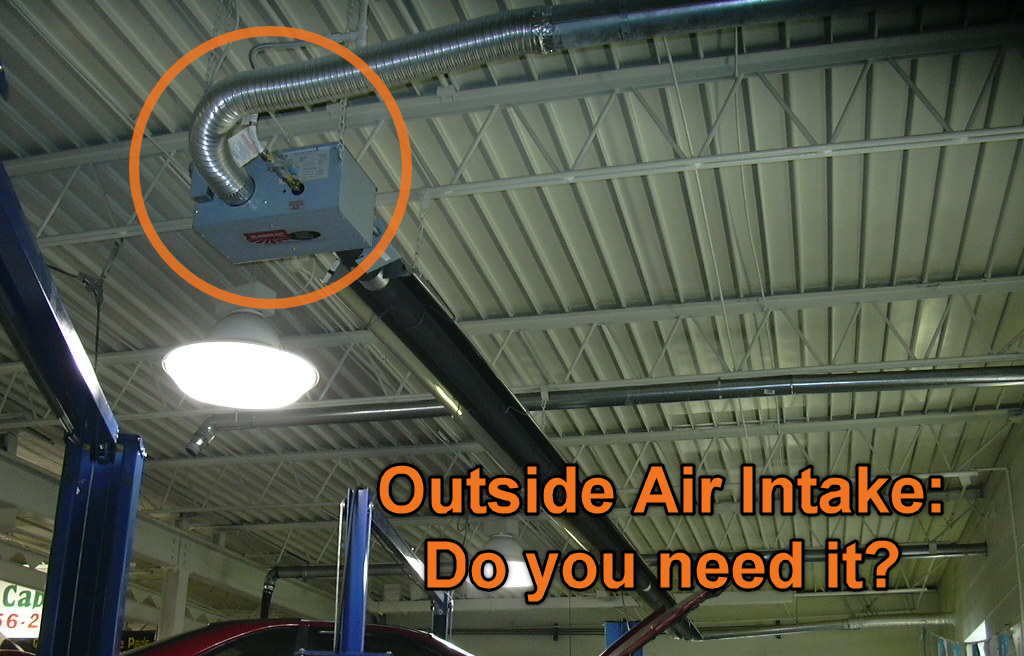
When to Use Outside Air Intake for Radiant Heaters
Choosing when to use outside combustion air intake for radiant heaters matters. The wrong air intake location can clog internal components with dust, introduce moisture and chemicals into the burner box, or create negative pressure in a tightly sealed building. Combustion air is the air a heater draws in to mix with gas for proper combustion before exhaust gases are vented outside. Below is a practical guide to when outside combustion air intake is necessary, what components you should use, and common installation limits and pitfalls to avoid. Always follow local code requirements and the heater manufacturer’s installation manual, as code may override general guidelines. For general combustion air standards, refer to the International Mechanical Code combustion air guidelines.
When outside combustion air intake for radiant heaters is required
There are two clear situations when you should bring combustion air in from outside instead of using room air.
- Harsh or dirty environments: Spaces with heavy dust, grinding debris, sawdust, welding dust, chemical fumes, or moisture can send particulates into the heater’s burner box. Those particulates will cake up on pressure switches, circuit boards, and other internal components and lead to failures. If your workspace is dusty or corrosive, plan on piping combustion air from outside.
- Tight, well-insulated buildings that develop negative pressure: If the heater pulls combustion air from the heated space and then exhausts outside, a well-sealed facility can lose make-up air and develop negative pressure. Symptoms can include popping ears, doors slamming, drafts, and increased cold-air infiltration. In some cases, negative pressure can also worsen venting performance for other fuel-burning appliances. In those cases, an outside air intake prevents the unit from “stealing” conditioned air and helps avoid pressure-related problems.
Key components and installation basics
Use approved components and flexible connections to protect the unit and maintain performance.
- Burner head: Our HL3 burner is a common workhorse, but the same intake rules apply to most commercial radiant heaters.
- 18-inch air inlet boot (AIRH): This accessory provides a transition between the heater and intake piping and is commonly used when pulling air from outside.
- Flex hose: Always install a flex hose between the rigid intake pipe and the heater. The heater can shift side to side during a heating cycle, often 2 to 4 inches depending on installation length. Hard-piping directly to the intake collar can damage the collar or the inlet assembly without flexible coupling.
- Inlet caps: Use factory-approved caps. Typical options are:
- Piping between cap and flex hose: You can use PVC or single-wall vent pipe to hard-pipe from the inlet cap to the flex hose. For roof installations, pipe down from the cap through flashing to the flex hose; for sidewall installs, pipe horizontally from the cap to the flex hose. Note: PVC is acceptable for combustion air intake piping only and should not be used for exhaust venting unless specifically approved by the heater manufacturer.
Placement rules and common installation mistakes to avoid
- Do not draw combustion air from attic spaces. Attics can contain dust and particulates that get pulled into the intake through gable ends or leaks.
- Do not locate the intake near another heater’s exhaust or anywhere steam, exhaust, or moisture is expelled. That prevents recirculating expelled gases or moisture back into the heater.
- Always use a factory-approved inlet cap. Approved caps help ensure proper performance and protect warranties.
- Keep the inlet free of dirt, snow, ice, and debris. Make sure the cap location is sheltered or maintained so the intake cannot become clogged.
Combustion air intake pipe sizing and maximum lengths
Use the correct pipe diameter and keep intake runs within recommended lengths to avoid airflow restrictions. These limits assume up to two 90-degree elbows in the run.
- 4-inch pipe: Maximum 20 linear feet (with up to two 90-degree elbows)
- 5-inch pipe: Maximum 30 linear feet (with up to two 90-degree elbows)
- 6-inch pipe: Maximum 40 linear feet (with up to two 90-degree elbows)
Additional elbows reduce allowable linear run length. Consult the heater manufacturer for equivalent length guidance if your layout includes more than two elbows.
If you need a run longer than 40 feet, contact the heater manufacturer or a technical representative. They can recommend upsizing the pipe diameter or other options to maintain adequate airflow and safe combustion.
Quick installation checklist
- Decide if outside air is required based on environment and building tightness.
- Choose the proper inlet cap (WIV-4 for sidewall or RVC-4 for roof) and confirm it is factory-approved for your unit.
- Hard-pipe from the inlet cap to within reach of the heater’s inlet, using PVC or single-wall vent pipe as specified.
- Install the 18-inch air inlet boot (AIRH) and approved flex hose between the pipe and the heater collar to allow 2–4 inches of movement.
- Confirm total intake run length and number of elbows do not exceed recommended maximums, or consult the manufacturer for longer runs or equivalent length calculations.
- Position intake away from exhausts, moisture sources, and attics. Protect the inlet from snow and debris.
Final notes
Using outside combustion air helps prevent dust, debris, and moisture from damaging internal heater components and can reduce negative pressure issues in tightly insulated buildings. Follow approved component recommendations, install a flex hose to accommodate movement, and respect the maximum intake lengths for the pipe size you choose. When in doubt, consult the heater manufacturer or a qualified technician to confirm your layout and components.
Need help with outside combustion air intake?
Proper combustion air layout and component selection matter, especially in tight or harsh environments. The fastest way to confirm intake requirements, compatible parts, or proper pipe sizing is to contact our team directly.
If you need combustion air intake components that are in stock and ready to ship, our team can help you select the right caps, boots, and flex connectors for your installation.